
01
When your next market, product, program, or R&D step is unclear, Sapienne helps you find out what customers and stakeholders actually need from you - before your team invest more of its time, energy, and money.
Sapienne works across the deep tech innovation ecosystem, from national labs to startup accelerators to corporate R&D.








Sapienne turns what customers and stakeholders tell you into clearer choices about who to serve, what to build, where to focus, and what deserves funding.
Compare opportunities based on how strongly customers need the solution, what they will pay for, what serving them requires, and how quickly the market could become meaningful.
Get specific about the people, roles, and situations where the need is strongest instead of building around an industry label that hides very different customers.
Understand what is breaking today, what customers do instead, what that costs them, and whether fixing it matters enough for them to act.
See which needs and requirements repeat across customers, what belongs in the core product, and what should stay custom instead of consuming the roadmap.
Give investors, boards, funders, or leadership a clearer reason to put more money behind this market, product, program, or technical capability.
Find weak assumptions before they consume another six months of runway, engineering capacity, R&D budget, or program resources.

"Technical validation proves it can work. Commercial validation proves someone needs it to."
We work in fields where the science moves fast and the market is harder to read—where choosing the right customer, market, and product direction can shape years of R&D work.




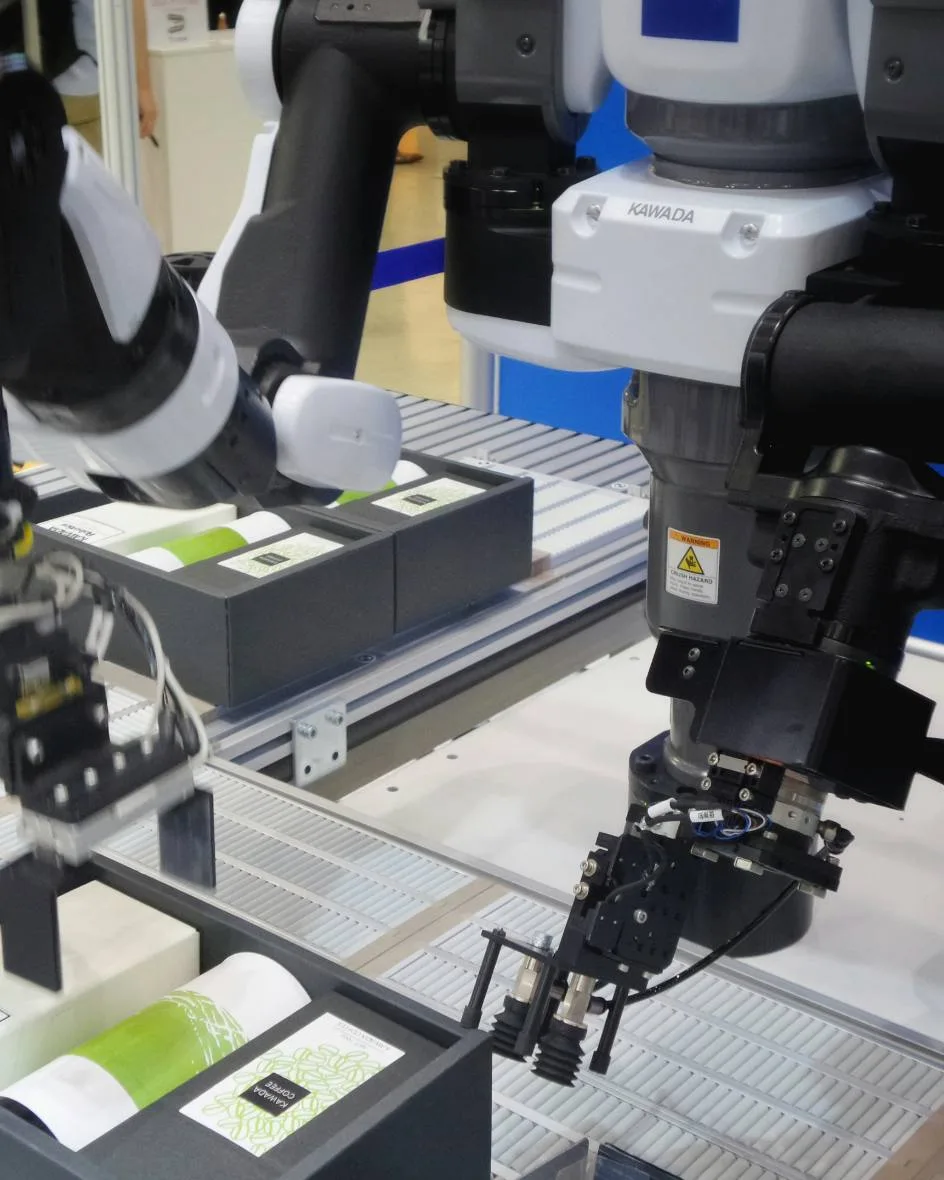
Working in one of these fields? See the decisions Sapienne helps teams like yours make.
See who we work withBreak the question apart early, and the answers can change who you serve, what goes on the roadmap, and whether the market deserves more R&D time.
Name the person, role, and situation—not just an industry or market category.
The test: Who ran into this most recently, and what happened?
Customers already have another way of dealing with the problem. Find out whether the cost is high enough to make changing worthwhile.
The test: What do they do today, and what does that cost them?
Integration, retraining, qualification, workflow changes, and internal approvals all add to the real cost of adopting something new.
The test: What would have to change inside their organization to use it?
“Better” only matters commercially when the improvement is valuable enough to support the price your product needs.
The test: At this price, would solving the problem make the budget?
Different teams come to Sapienne with different decisions to make. What changes is how clearly your customers and stakeholders impact your R&D, go-to-market, and roadmap.
Markets, customer requests, and product priorities compete for a small team’s time. The roadmap starts following whichever opportunity is loudest.
You know which customers to pursue, which needs repeat, what belongs on the roadmap, and what investors need to see before the next raise.
Founders complete customer discovery but still reach demo day unsure who buys, what matters most, or what should change because of what they learned.
They can name the customer, explain the repeated problem, and connect what they learned to clearer market, product, and funding decisions.
A facility, program, or partnership moves forward before stakeholder needs have been independently researched and compared.
Leadership can see which needs repeat, where the gaps are, and what deserves funding, infrastructure, or coordination next.
Different markets and product opportunities compete for the same engineering capacity and funding.
Customer need, product changes, qualification effort, time to revenue, and opportunity cost sit beside the technical case before resources are committed.
Markets, customer requests, and product priorities compete for a small team’s time. The roadmap starts following whichever opportunity is loudest.
You know which customers to pursue, which needs repeat, what belongs on the roadmap, and what investors need to see before the next raise.
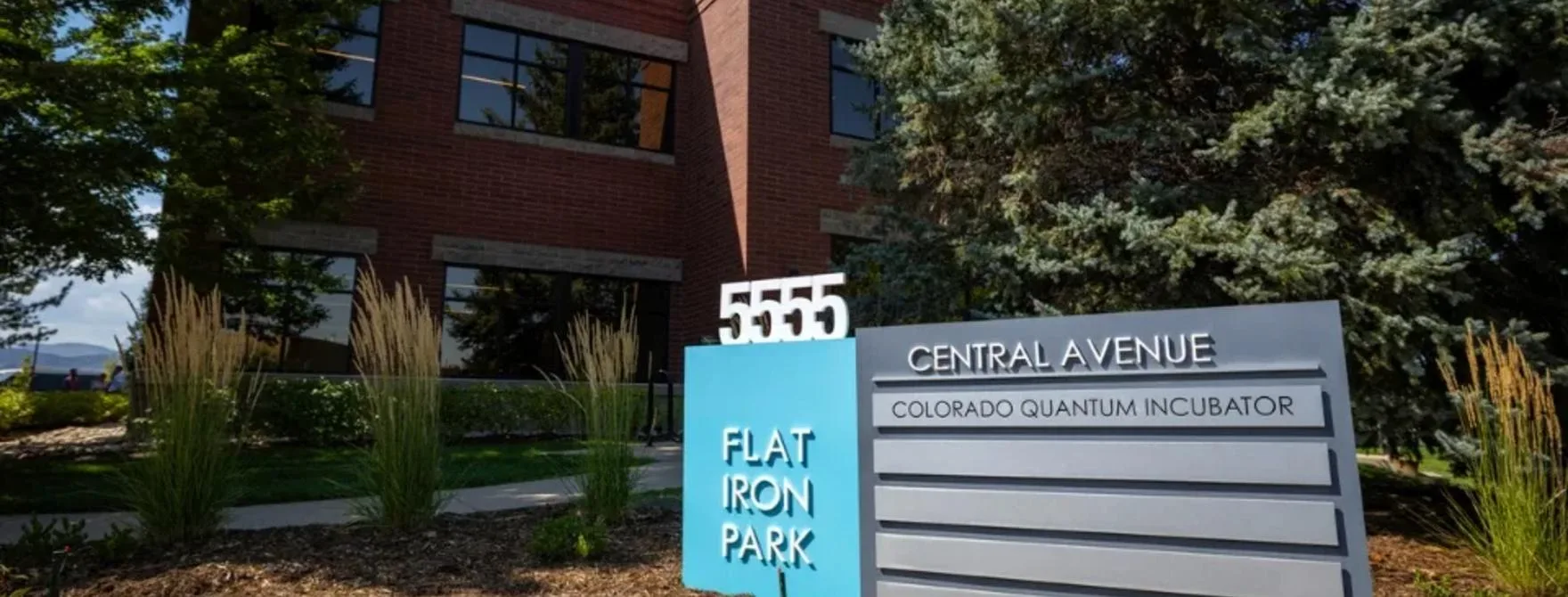
CU Boulder’s CUbit Quantum Initiative was planning the Colorado Quantum Incubator, a $28M facility designed to support Colorado’s growing quantum ecosystem. The technical case was strong. The harder question was what companies, researchers, investors, and public partners actually needed from the facility—and which needs mattered most.
Sapienne conducted 25 structured interviews across quantum companies, the university, state, investors, and industry. Instead of asking stakeholders what equipment they wanted, Tanya asked where commercialization was breaking down, what people were trying to accomplish, and what was getting in the way. The interviews produced a prioritized set of needs in the stakeholders’ own language.
Those findings helped the facility move through funding and governance approval with a much clearer picture of what the ecosystem needed. Companies that had initially seen it as another university project started asking when they could apply for membership.
Tanya stayed on as Director of Business Development and stewarded the incubator’s partnership with Stout Street Capital, giving its companies a path to venture funding and the facility a stronger tenant pipeline. That partnership was not part of the original scope.
“There’s a small group of people who can translate deep quantum science into language that financiers and venture capitalists can act on. Tanya is one of them — and right now that’s arguably the most in-demand skill in the deep tech ecosystem.”
Colorado Quantum Incubator facility informed by stakeholder research.
You have several credible markets, applications, or customer groups. Compare where the need is strongest, what serving each market would require, and which one deserves your focus first.
You have chosen a market. Now find out what enough customers need in common, what they will pay for, and which requirements should shape the core product.
You already have customers, products, or an established R&D function. Keep Sapienne alongside leadership to further hone current customer development and as new market information changes where the business, product roadmap, and R&D investment should go next.
You need an independent read on what your ecosystem needs next. Sapienne identifies the needs, gaps, and existing capabilities that should shape programs, infrastructure, partnerships, and funding.
Not sure which engagement fits? Start with the decision your team needs to make. Sapienne can support a focused market or product question, stay alongside a series of R&D decisions, conduct an ecosystem study, or work inside an accelerator or incubator program.
Compare all engagements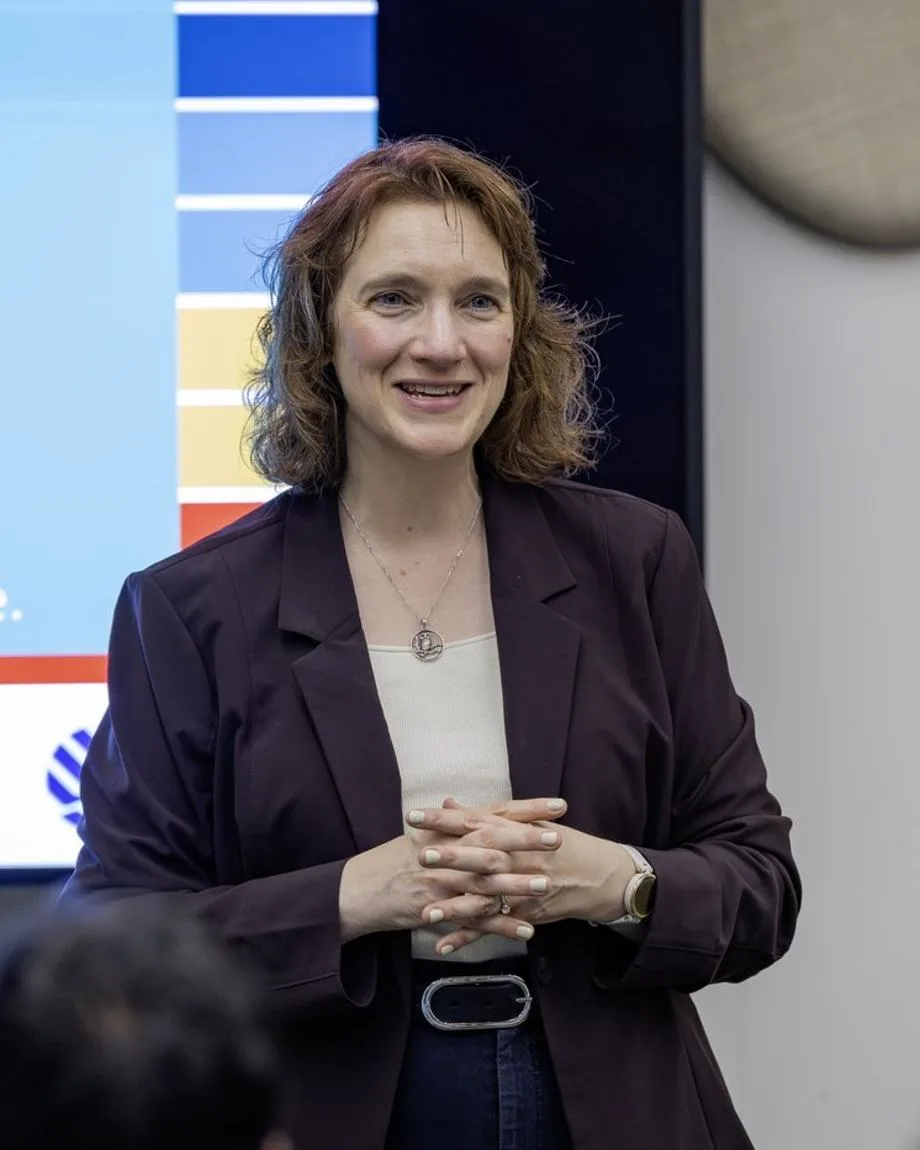
Tanya Ramond helps deep tech teams find the market their technology deserves.
PhD in quantum physics, postdoctoral research at NIST, executive MBA from the University of Denver. Over 25 years she has worked from most of the seats a deep tech company passes through: building LiDAR systems at an aerospace company, leading product at quantum startups, and now running business development for the Colorado Quantum Incubator. She helped secure the $28M behind its new facility.
She also teaches, through accelerators, incubators, and startup programs. The teams she meets are rarely short on effort or ambition. What’s missing is a discipline nobody teaches alongside the science: proving a market needs the thing before a company commits years to building it.
She has sat on the side of the table you are trying to convince: reviewing grant applications, sitting on boards, deciding what an incubator backs.
Sapienne is most useful when your team has a real market, product, R&D, program, or funding choice in front of it and customer or stakeholder input could still change the direction. You do not need every question answered first. Bring us the choice, what you know, and what still feels uncertain.
Often, the missing piece is not more conversations. It is better questions, better synthesis, and a clear link between what people said and the decision in front of you. Sapienne helps turn scattered interviews, notes, and assumptions into a clearer market, product, R&D, or program direction.
That depends on the engagement: a prioritized market, clearer customer and problem, quantified value, stronger product requirements, roadmap priorities, stakeholder priorities, or a clearer basis for funding. The deliverable should make the next decision easier—not simply document the research that happened.
For company engagements, your team usually conducts discovery interviews while Tanya shapes the questions, coaches the first conversations, and helps interpret what comes back. For ecosystem work, Sapienne can conduct stakeholder interviews directly because having an outside researcher is part of the value.
Then you learn before more time and money are committed. The findings may point toward a different customer, market, product requirement, program priority, or R&D opportunity. Changing direction early can protect months of engineering work, runway, or budget that would otherwise follow the wrong assumption.
Start with the 30-minute intake call. We look at the decision you are making, what you already know, and how much research or support is required. If Sapienne is a fit, you receive a written scope covering the work, timeline, deliverables, and fixed fee.
If you are choosing a market, setting a product roadmap, allocating R&D budget, or deciding what your program or ecosystem needs next, start with a 30-minute intake call. We will determine whether Sapienne can help and which engagement fits.
Start with a 30-minute intake call. We will determine whether Sapienne can help and which engagement fits.